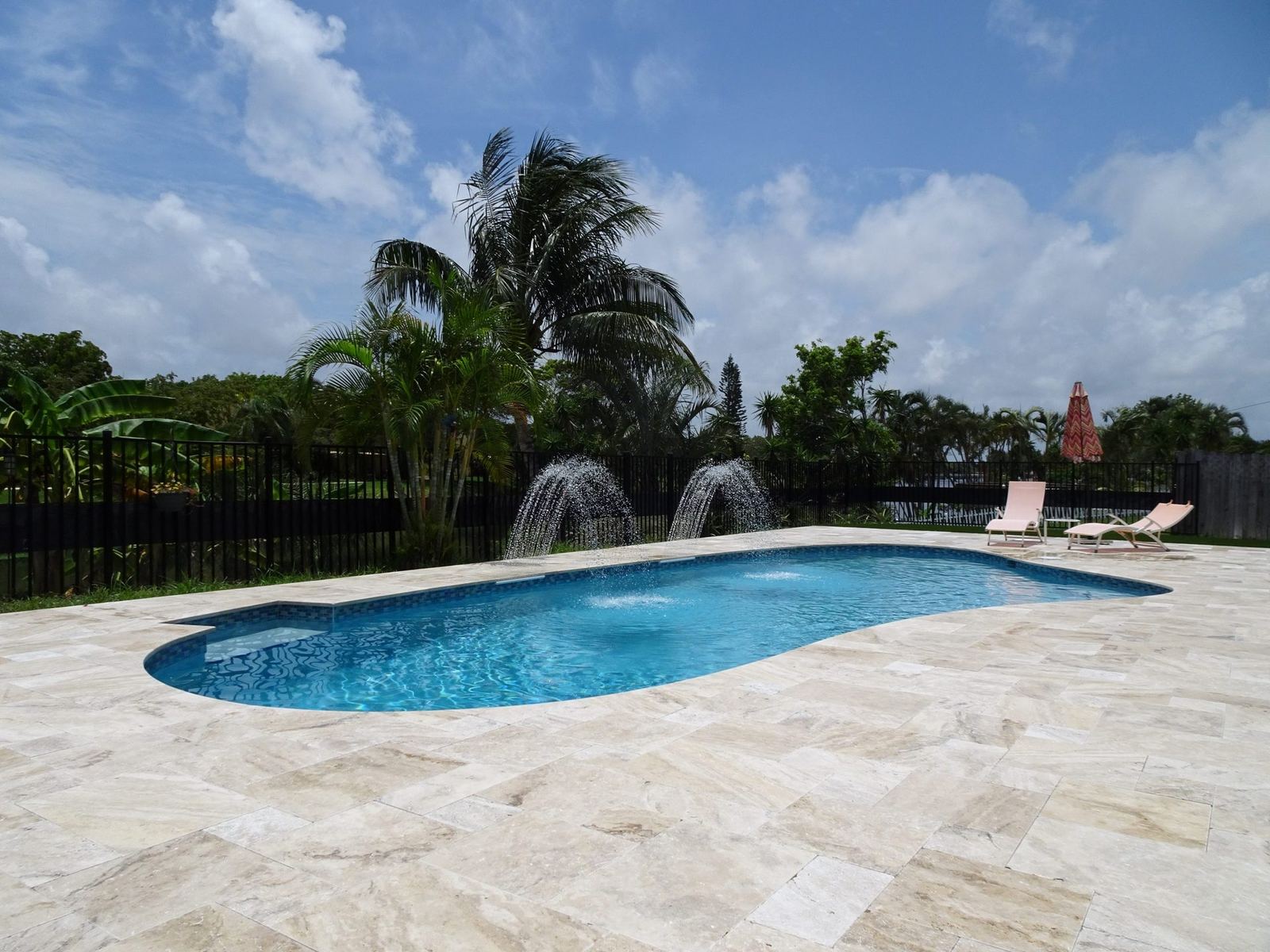

Is your pool showing signs of wear, like cracks, fading finishes, or outdated features? Over time, even the best-maintained pools in South Florida need refurbishment to stay safe, functional, and visually appealing. In this guide, we'll walk you through the signs that indicate it's time for a pool refurbishment and what to expect from the process.
Key Sections:
If your pool is in need of a refurbishment in South Florida , don't wait until minor issues turn into costly repairs. At Cliff's Pools & Patios , we specialize in high-quality pool resurfacing, tile replacement, and deck remodeling to restore your backyard oasis. Contact us today for a free consultation and let's bring your pool back to life!
- Common Signs Your Pool Needs Refurbishment Cracked or peeling plaster Persistent leaks Faded or outdated tiles Rough surfaces causing discomfort Inefficient or outdated pool equipment
- Benefits of Pool Refurbishment in South Florida Enhancing safety and durability Increasing property value Upgrading pool aesthetics with modern finishes Improving energy efficiency with updated equipment
- Step-by-Step Pool Refurbishment Process Inspection and assessment Choosing the right resurfacing material (plaster, pebble, quartz, etc.) Tile and coping replacement options Deck renovations and patio upgrades
- Choosing the Right Pool Remodeling Company Near You What to look for in a South Florida pool contractor Importance of licensing and experience Customer reviews and project portfolio
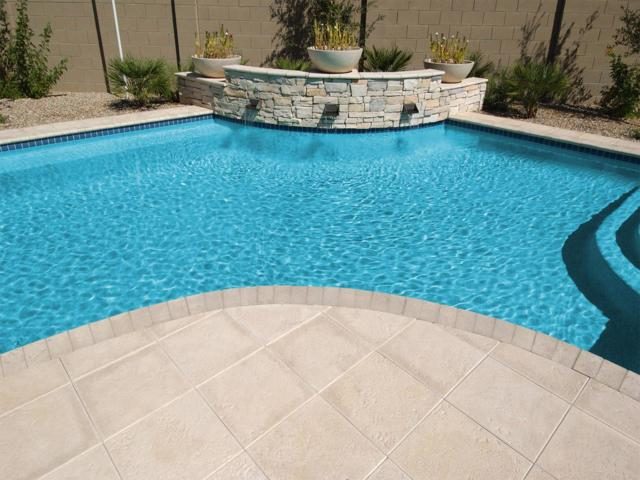
Subtle clues homeowners often miss
Not every warning sign is a crack. Stains that return after brushing, rust-colored streaks near fittings, and chalky white scale along the waterline can all point to a surface that is wearing thin or letting water chemistry get the better of it.
Also pay attention to your water bill and your pool's water level. If you keep topping off the pool more than the Florida sun and evaporation would explain, mention it when you call. It helps a pro decide where to look first.
What the first call looks like
Calling a contractor does not commit you to anything. Expect a few straightforward questions about the pool and what is bothering you, followed by a site visit to look at the surface, tile, equipment, and deck.
A little preparation makes that conversation more useful. Have these details handy:
- Roughly how old the pool and its current finish are
- What you have noticed: roughness, stains, leaks, or tile damage
- Any past repairs or equipment replacements
- Whether you belong to an HOA
- Your wish list, such as a new finish, new tile, or a refreshed deck
Plan around the weather
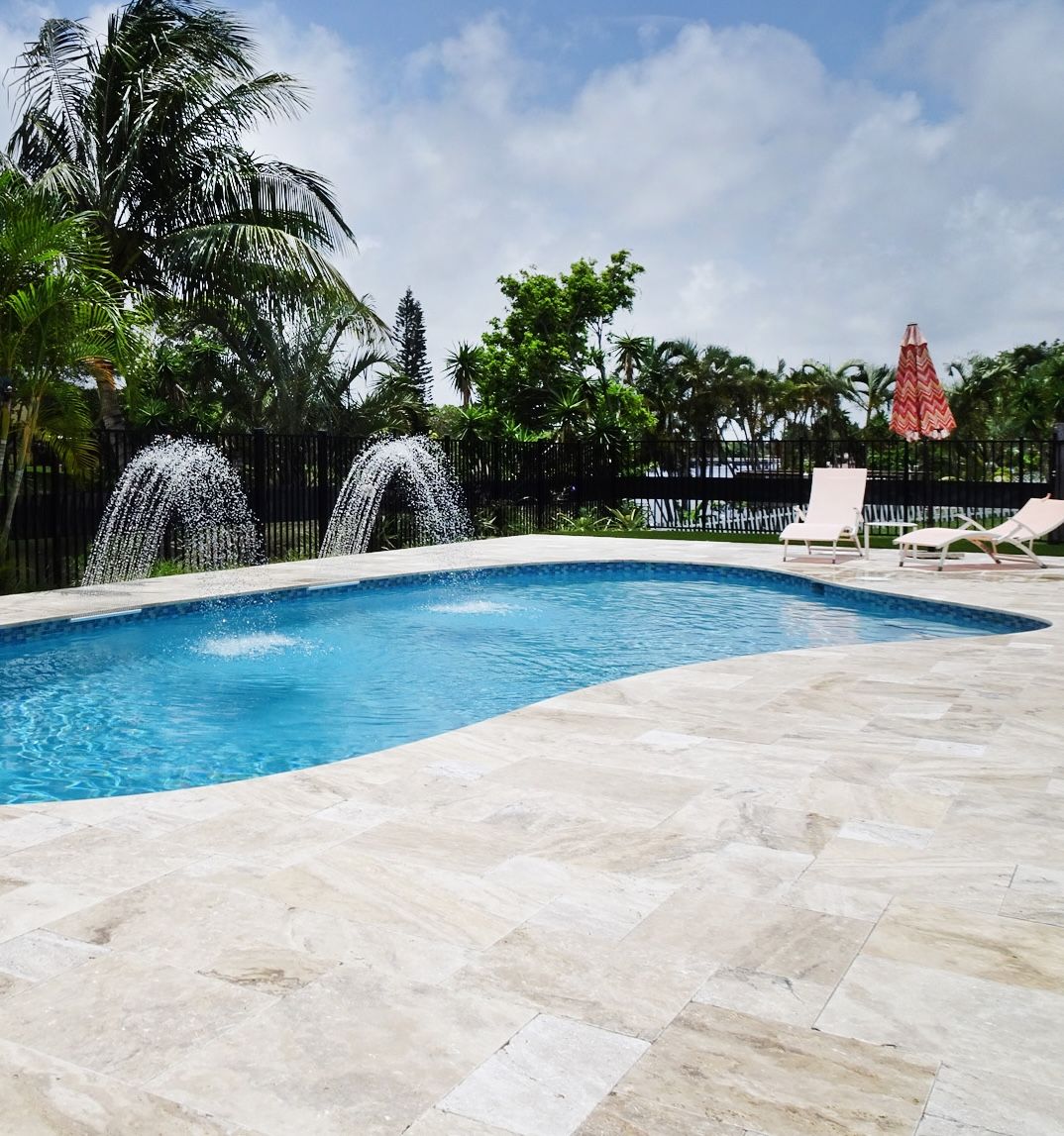
South Florida's calendar matters more than people expect. Daily summer downpours and hurricane season, which runs June through November, can slow work, delay curing, and complicate scheduling.
Many homeowners aim for the drier months, though a good contractor can work around the weather at other times. Whatever the season, do not drain the pool yourself. With our high water table, an empty pool can be pushed out of the ground by groundwater pressure, so draining should be planned and supervised.
Permits, HOA approvals, and getting started
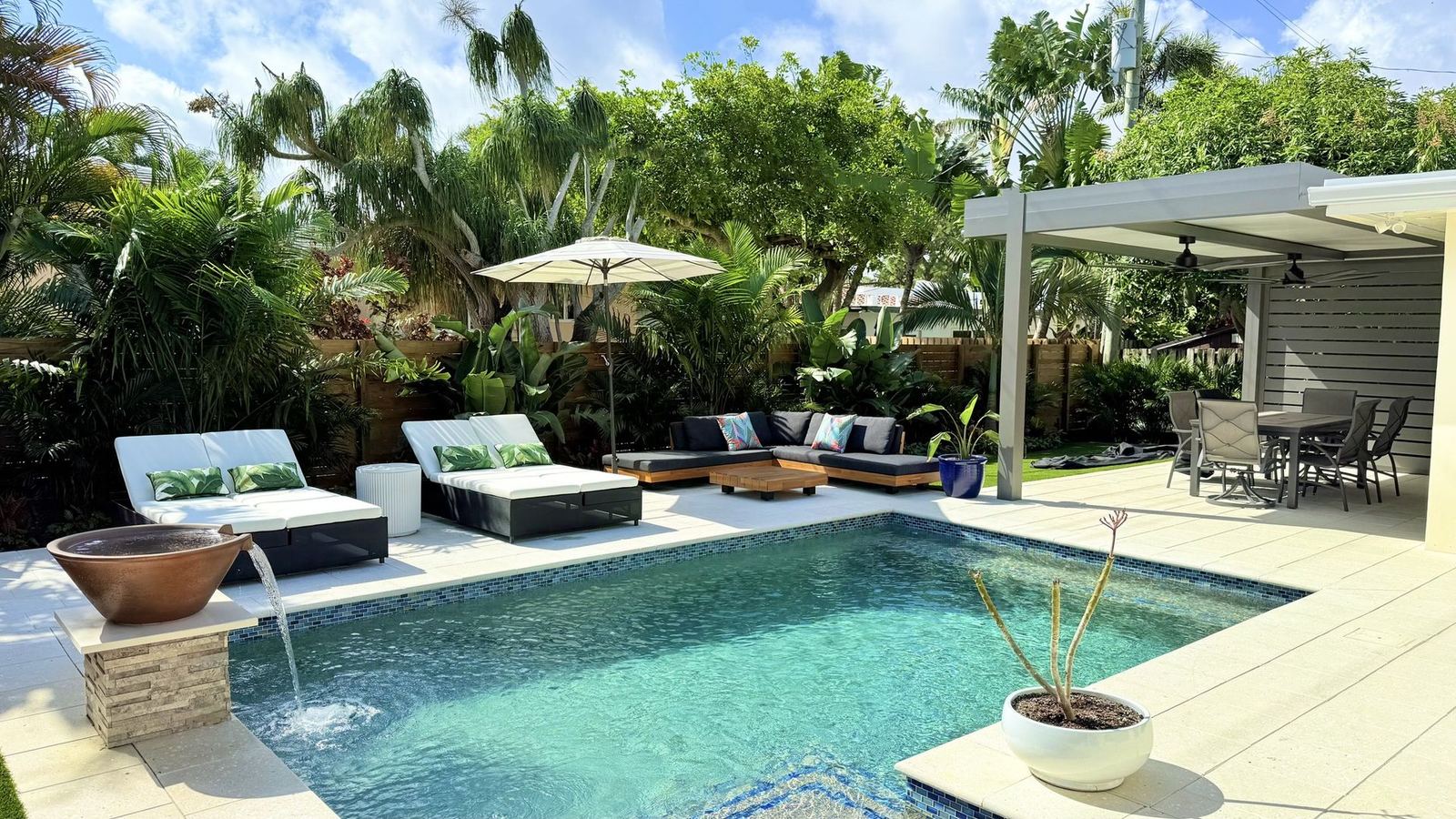
Depending on the scope, your project may need a permit from your city or county, and many HOAs want to review changes to colors, decking, or visible features before work begins. Ask early who handles that paperwork, because approvals can affect your start date more than the work itself.
If you are seeing any of the signs above, the easiest next step is an inspection. The team at Cliff's Pools & Patios is happy to walk your pool with you, explain what is cosmetic and what is structural, and help you decide what to do first.
Get a free design consultation from our South Florida team.
Every project starts with understanding how you actually use your backyard. Whether that's Sunday swims, weeknight grilling, or a putting-green escape, we size the scope to your life.