
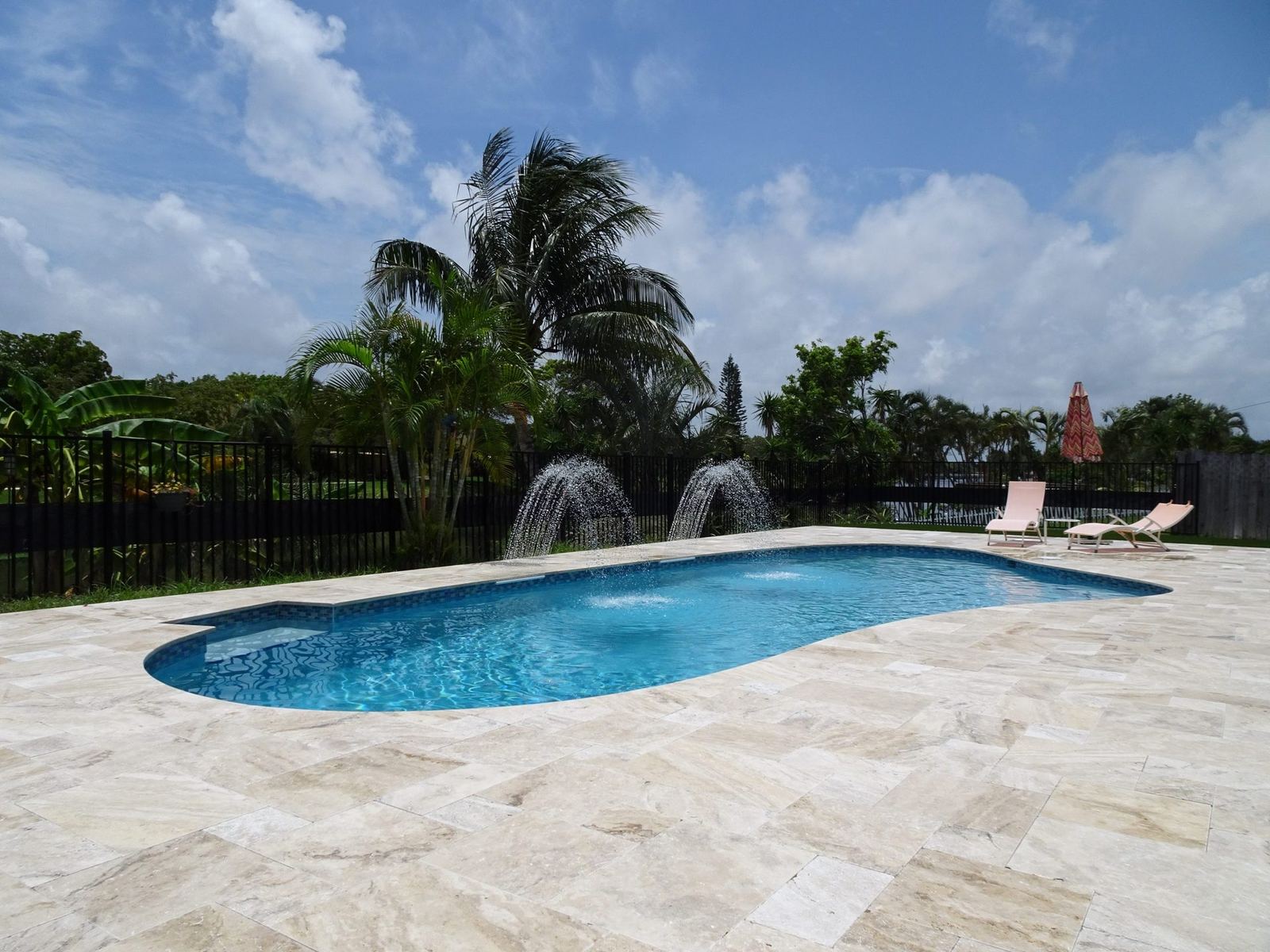
If you own a pool in Florida, you're no stranger to its year-round use-and that means wear and tear is inevitable. But what happens when you delay necessary pool resurfacing ? The short answer: it could cost you more than you think.
At Cliff's Pools and Patios , we've seen firsthand how postponing this crucial service leads to structural damage, higher utility bills, and even total pool failure. Here's why timely resurfacing isn't just smart-it's essential.
Over time, pool finishes crack, flake, and stain. What may begin as cosmetic eventually opens the door to water leaks and foundational damage. Repairing cracks is far more expensive than resurfacing a worn finish.
Pro tip: If your pool surface feels rough or has discoloration, it's likely time to resurface.
Old, porous surfaces absorb chemicals faster, requiring more frequent testing and rebalancing. The cost of extra chlorine, acid, and water adds up quickly-and it still doesn't solve the root issue.
Worn surfaces can decrease water circulation efficiency, forcing pumps and filters to work harder. A smooth resurfaced pool conserves energy and maintains consistent flow.
Rough or chipped pool finishes aren't just unsightly-they're a safety hazard. Resurfacing helps reduce slipping risks and ensures safer swimming for family and guests.
In Florida's competitive real estate market, a pool in disrepair can lower home value or even become a liability. Resurfacing keeps your pool looking modern and inviting for potential buyers.
When Should You Resurface Your Pool?
Generally, every 7 to 15 years -depending on materials and usage. If you live in South Florida , where pools are used year-round, staying proactive is even more critical.
Why Choose Cliff's Pools and Patios?
Final Thought
Delaying pool resurfacing in Florida can cost you much more in the long run. Don't wait for a crack to become a crisis. Cliff's Pools and Patios is here to help you keep your pool safe, beautiful, and built to last.
Explore Our Pool Resurfacing Services »
- Structural Damage from Surface Deterioration
- Chemical Imbalance & Increased Maintenance Costs
- Higher Energy Bills
- Safety & Liability Risks
- Loss of Property Value
- Over 35 years of experience
- Local expertise in Florida's pool challenges
- Premium finishes like Diamond Brite & PebbleTec
- Licensed & insured
- Serving Boca Raton, Coral Springs, Fort Lauderdale & more
Signs it's more than cosmetic
Not every rough patch is an emergency, but some signs mean you shouldn't wait. A slow walk around your pool can tell you a lot.
- Sandpaper-like patches on steps, benches, or the floor
- Stains that come back after brushing and shocking
- A hollow sound when you gently tap a suspect spot
- Water loss that seems faster than normal summer evaporation
- Cracks near the tile line, skimmer, or light niches
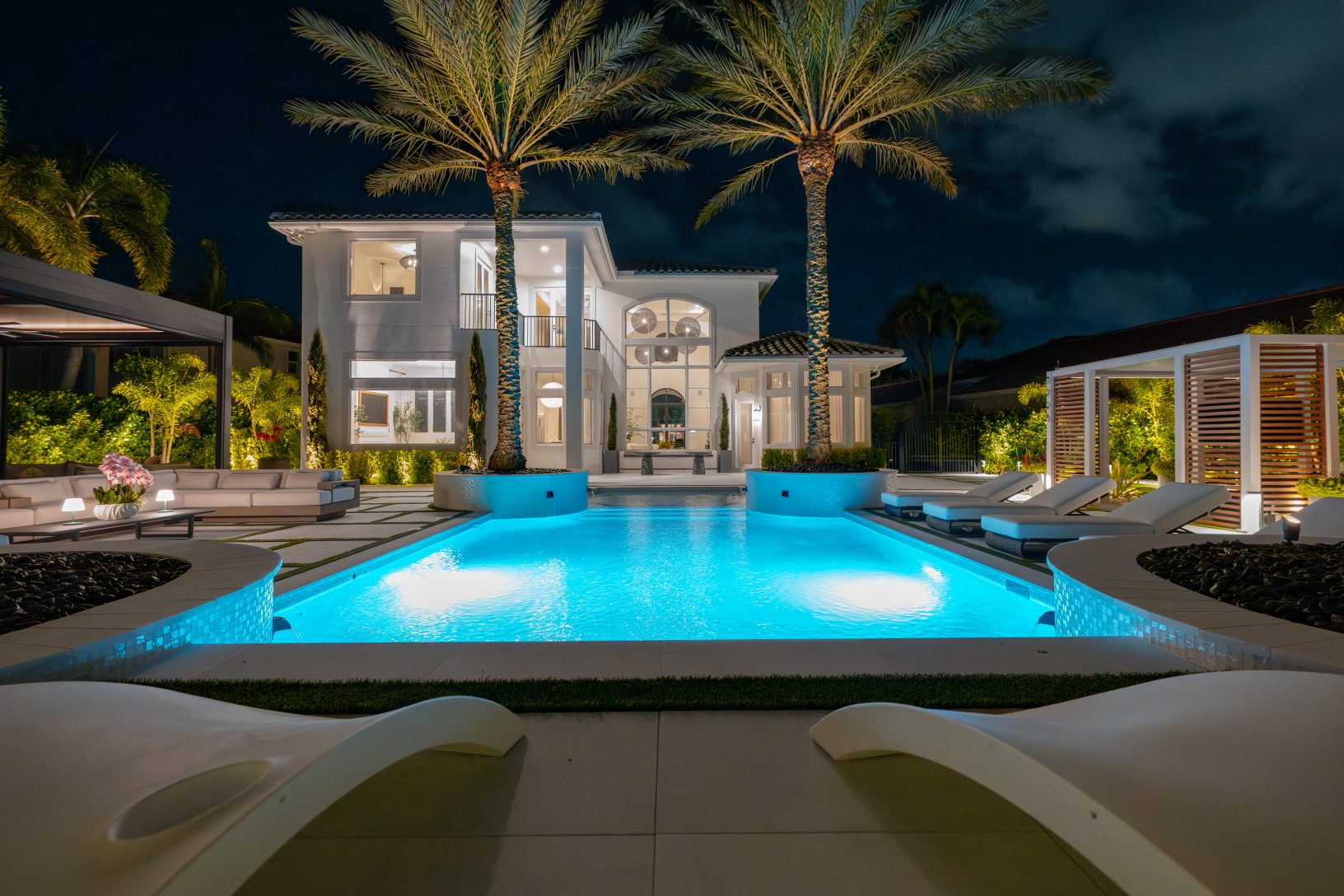
Plan around South Florida weather
Resurfacing means draining the pool, and our high water table and sudden downpours make that more delicate than it sounds. Drier months, generally winter into spring, offer a more predictable window.
Summer storms and hurricane season can stall a project or complicate a pool that's sitting empty. Ask your contractor how they handle groundwater and storm forecasts before a single gallon is drained.
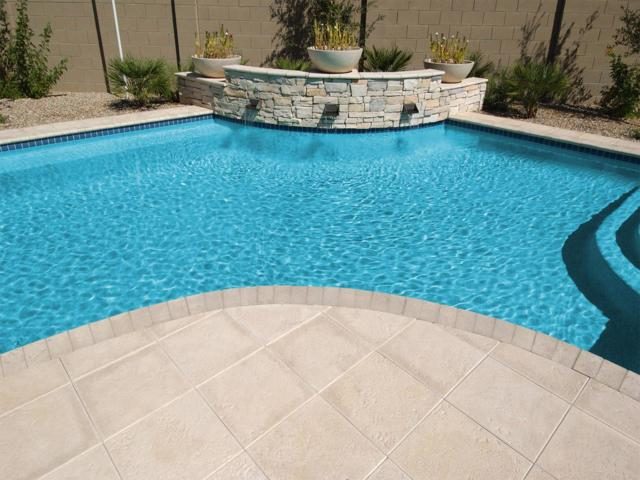
Sort out approvals and extras early
If you live in an HOA community, check whether a new finish or color needs approval before you order anything. Also ask your city or county whether the work requires a permit, since rules vary by location.
An empty pool is the easiest time to inspect tile, coping, and fittings, so ask about those too. Cliff's Pools & Patios can help you map out the steps and set a realistic timeline.
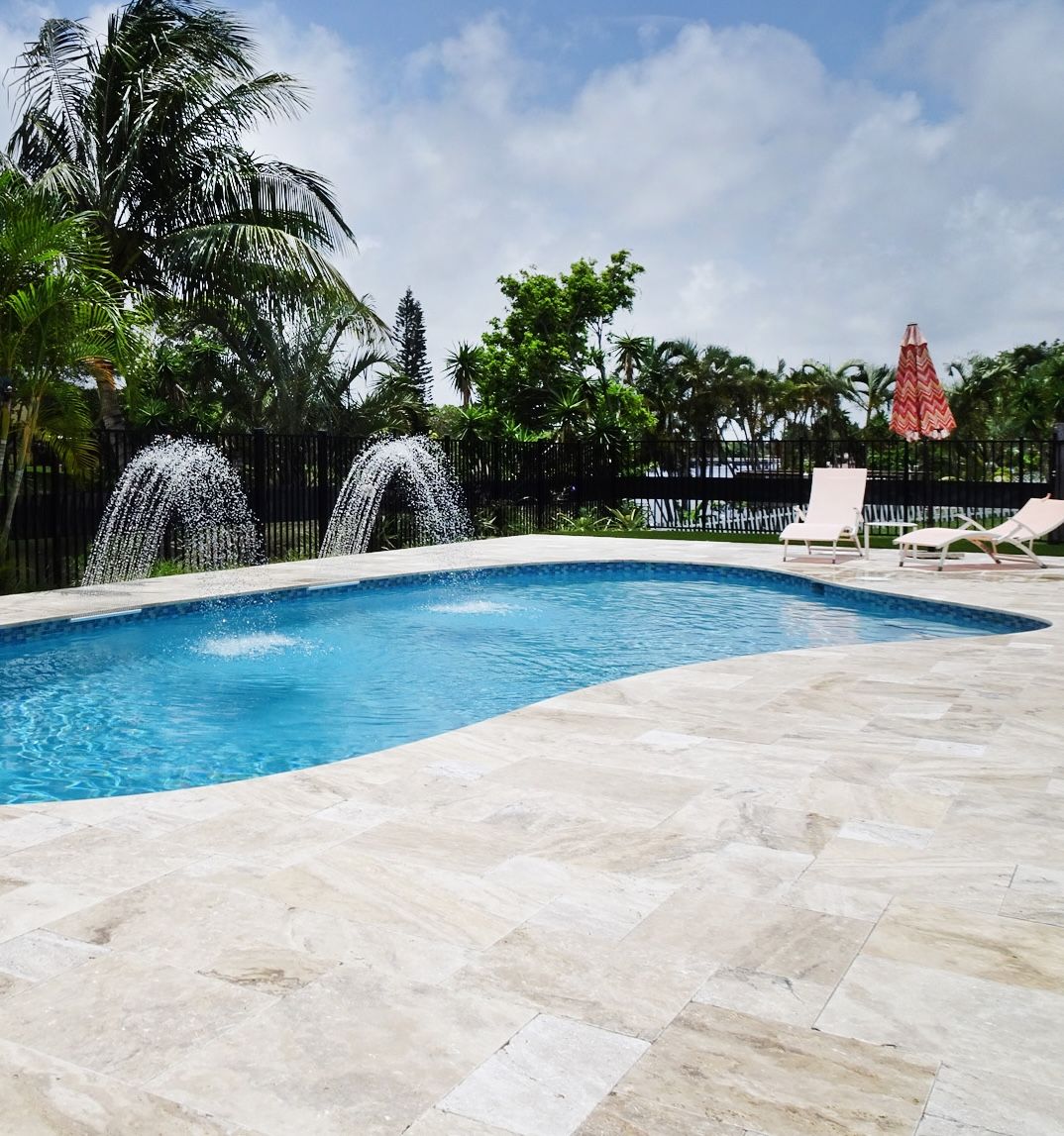
Get a free design consultation from our South Florida team.
Every project starts with understanding how you actually use your backyard. Whether that's Sunday swims, weeknight grilling, or a putting-green escape, we size the scope to your life.